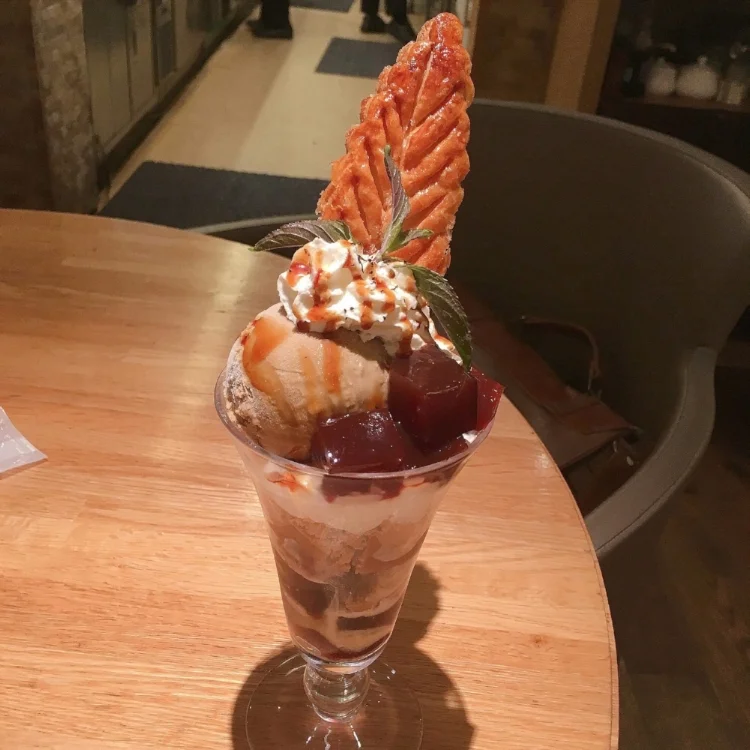
Kyoto is Japan's historic heart, and nowhere is that more apparent than at its food. Here's what we ate on our first full day in the city.
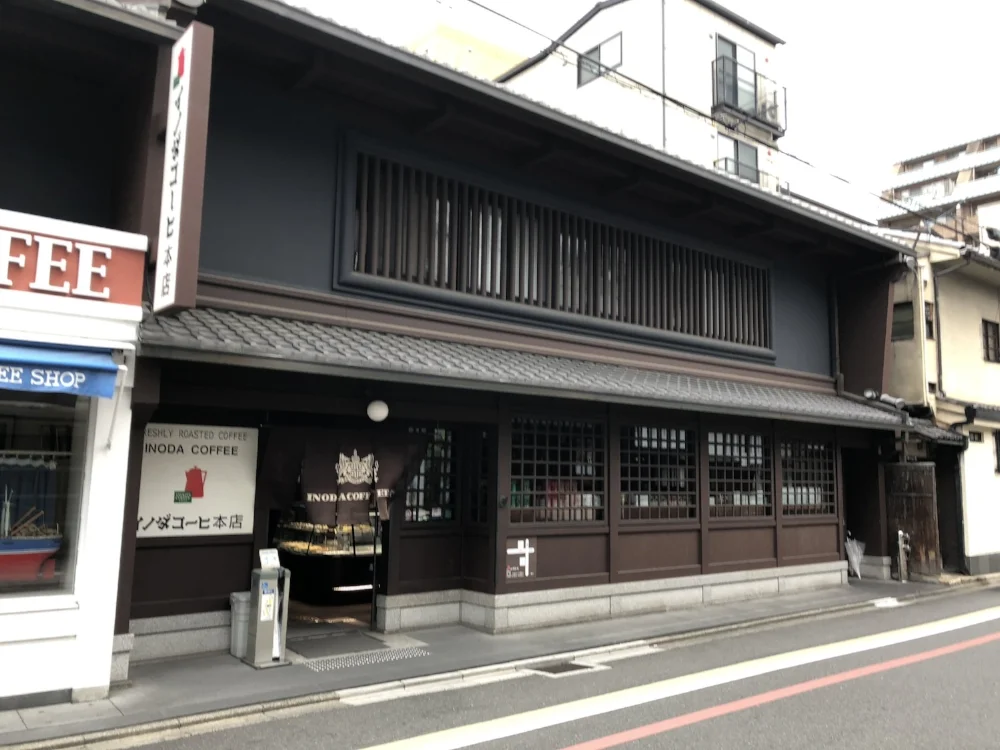
Inoda Coffee
One of Kyoto's most beloved institutions, Inoda Coffee has been open since 1940. Coffee was first introduced to Japan in the 1800s by Dutch traders, and for a long time it was a luxury for the wealthy — these early cafés served coffee, tea, tobacco, newspapers, and Western-style foods. Inoda's signature "Arabian Pearl" blend comes pre-mixed with milk and sugar. The reason? Regulars would linger so long over conversation that staff started adding them in advance. It's a small detail that says everything about the café's warm, unhurried atmosphere.
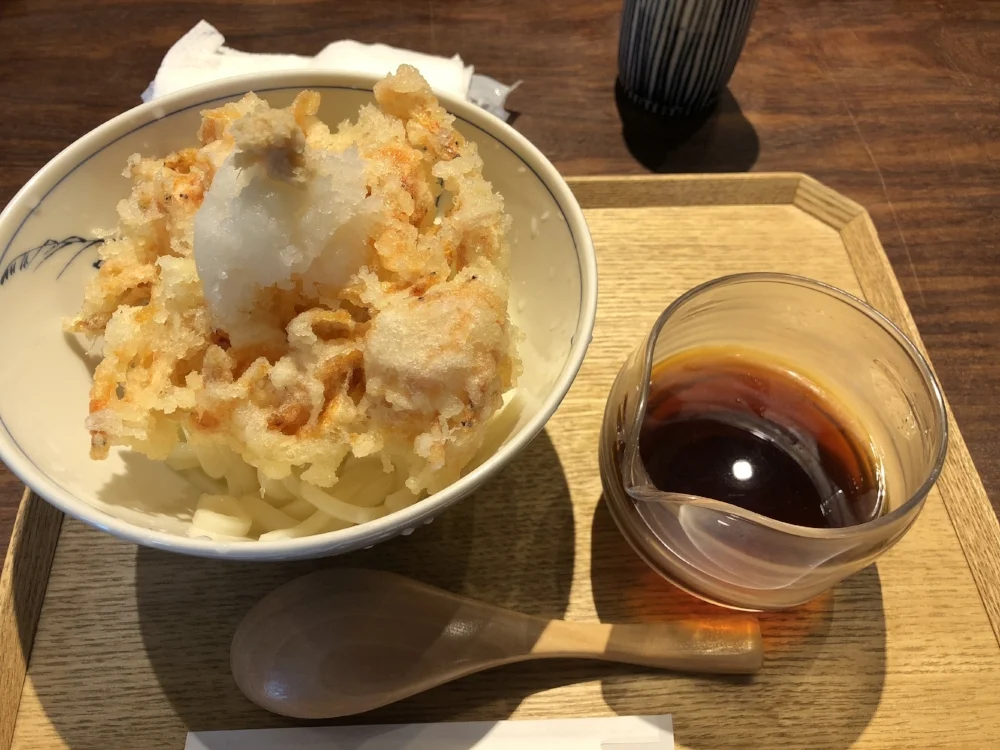
Uneno is a celebrated udon restaurant in central Kyoto, known for its delicate bonito and kelp broths. We ordered the Hiyashi-Udon — cold udon served with crispy fried cherry shrimp — and the Kitsune-Udon, topped with golden fried tofu. The name "Kitsune" (fox) comes from a legend that foxes, the messengers of the rice god Inari, are especially fond of fried tofu.
Local Supermarket: Fresco
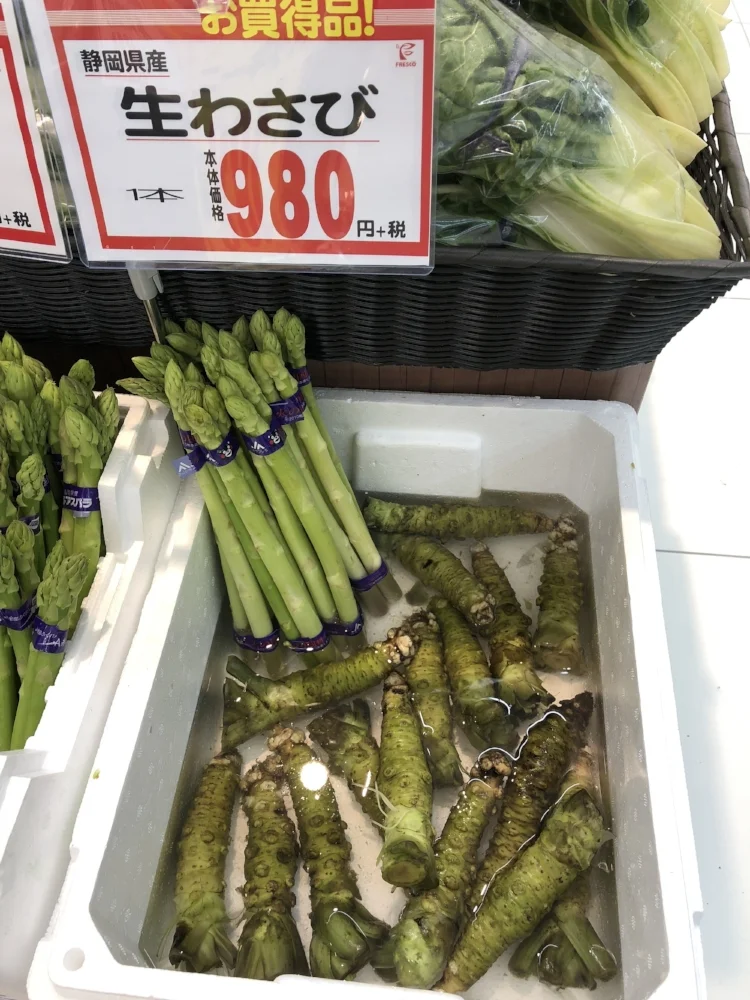
One of our favourite things to do when travelling is visit local supermarkets — and Fresco did not disappoint. The produce section featured enormous Kujo-Negi spring onions (a Kyoto specialty), Mansakuji peppers named after a nearby Buddhist temple, and bundles of fresh wasabi roots harvested near Mount Fuji. A glimpse into what's actually on Kyoto dinner tables.
Japanese Starbucks on Sanjō-Ōhashi
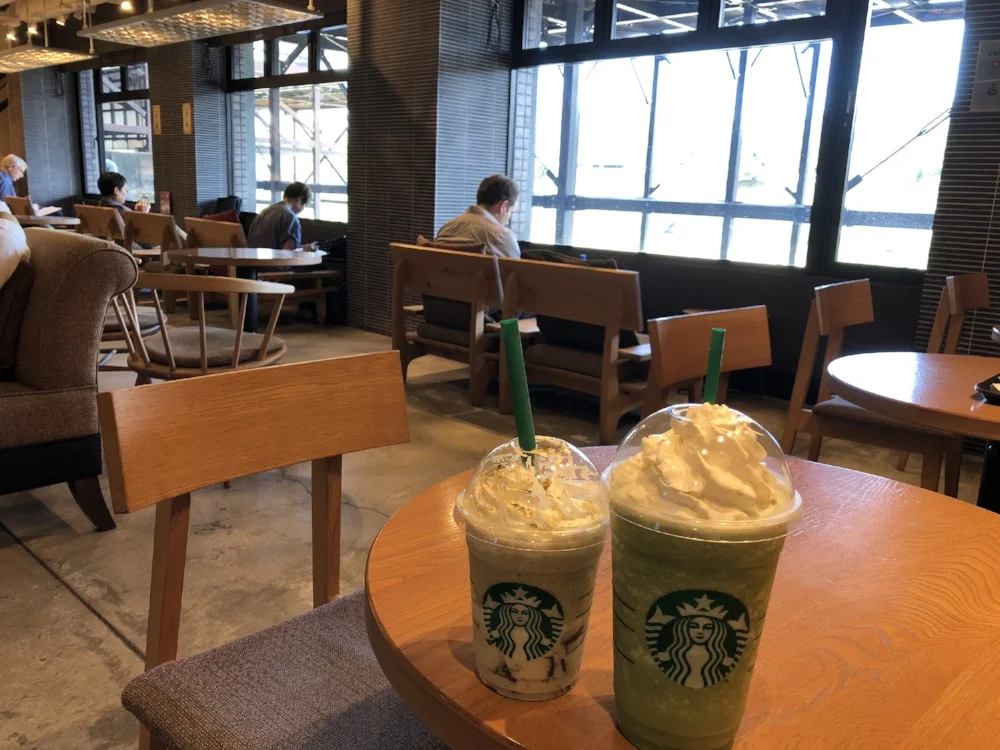
Even a familiar chain becomes something special in Kyoto. The Starbucks near Sanjō-Ōhashi, overlooking the Kamo River, offers region-specific drinks unavailable elsewhere — including roasted tea lattes with tea-flavoured jelly and a matcha latte considerably less sweet than its overseas counterparts. Worth a stop for the view alone.
Markets & Bento
Kyoto Food Diary — Part 2
Narihito Matsunaga · November 7, 2018
Continuing our Kyoto food adventure — today we head to the market street that every food lover must visit, and discover one of Gion's best-kept culinary secrets.
Nishiki Market — Kyoto's Kitchen
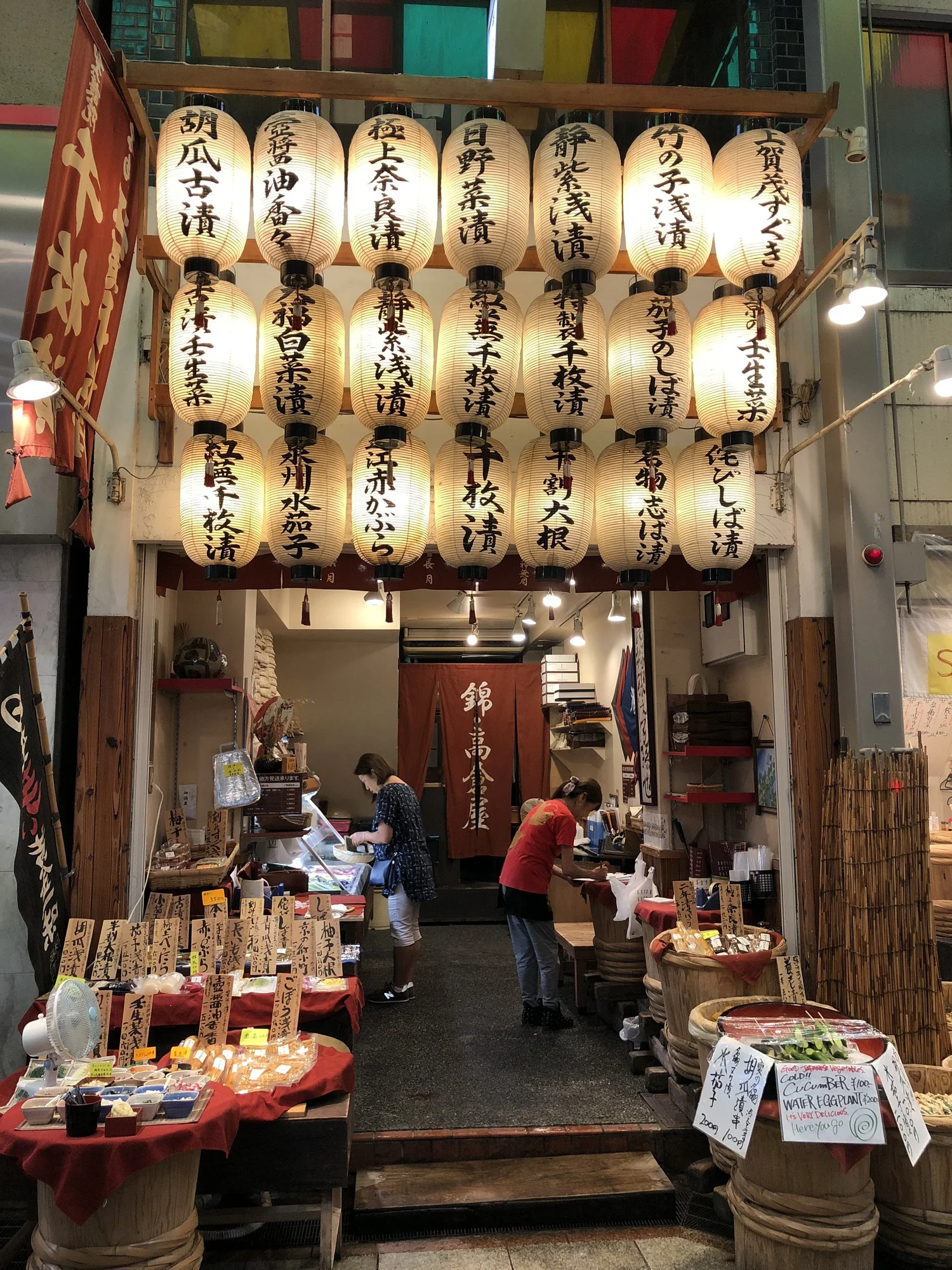
Running through the heart of central Kyoto, Nishiki Market is one of Japan's most famous food streets. The pedestrian lane stretches several blocks and houses around 130 vendors and small restaurants, offering everything from fresh rice and tofu to hand-cut vegetables, local pickles, and wagashi sweets. Some of the larger stalls have attached restaurants where you can eat on the spot. If you're a food lover visiting Kyoto, this is non-negotiable.
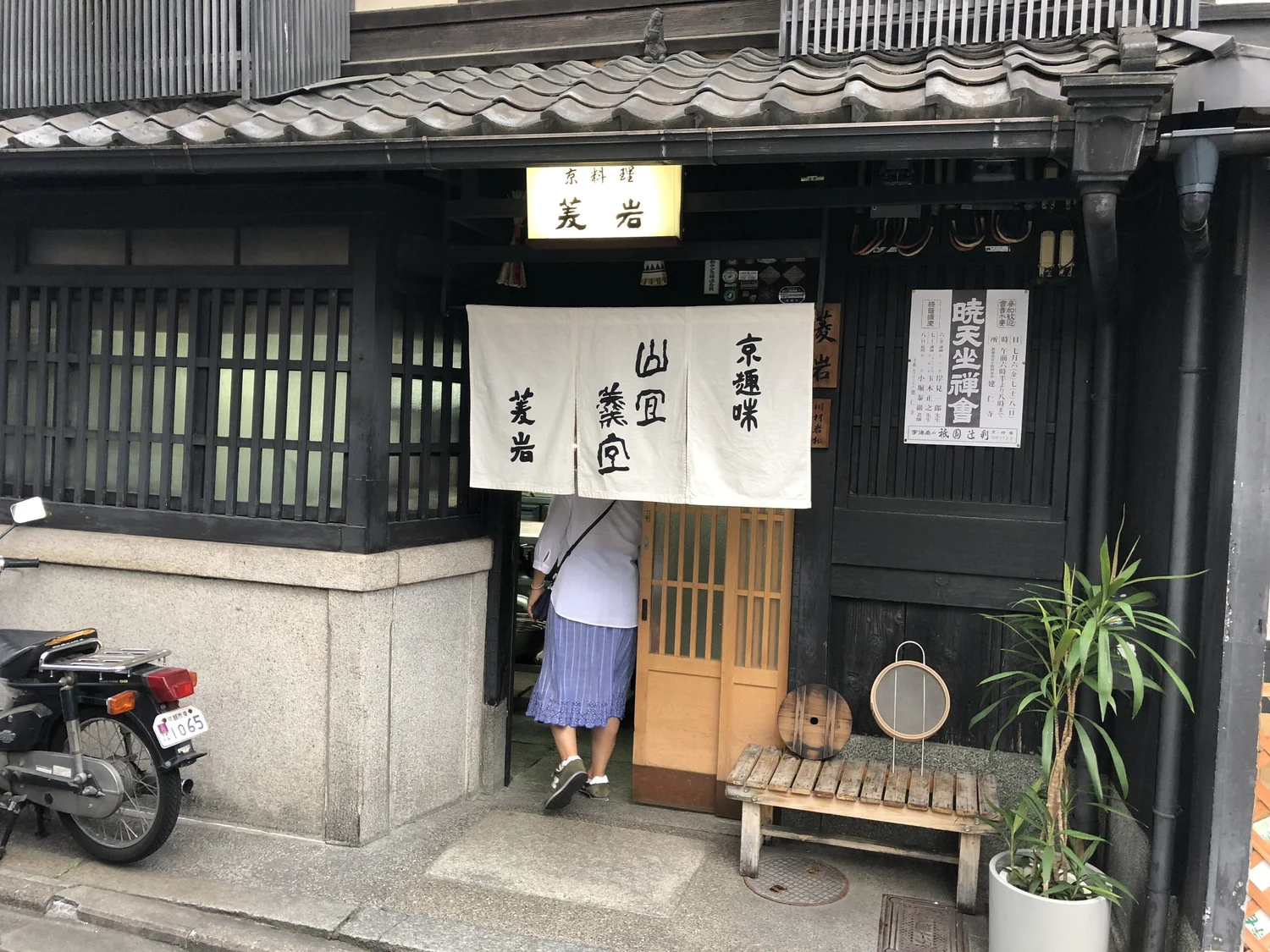
For a truly special lunch, we sought out Hishiiwa — a bento shop with a remarkable reputation. They supply bento boxes to the teahouses of Gion, Kyoto's historic geisha district, and the quality shows in every detail. Boxes range from 4,500 JPY (smaller) to 6,500 JPY (larger), and the Gion location requires a reservation. The staff advised us to eat within a few hours given the summer humidity — these are not packed for convenience, but for flavour. Every ingredient is prepared with the light seasonings and careful stock-making that defines Kyoto cuisine: letting the natural taste of each ingredient speak for itself.
We hope this inspires you to slow down and eat well on your next visit to Kyoto.
Japanese Sweets
Sweets You Should Try in Japan — Part 2
Yoshie Matsunaga · November 21, 2018
Japan has a wonderful talent for taking a Western concept and reimagining it completely. Today I'm looking at pafe — Japan's beloved take on the French parfait — and three versions you really should try.

What is "Pafe"?
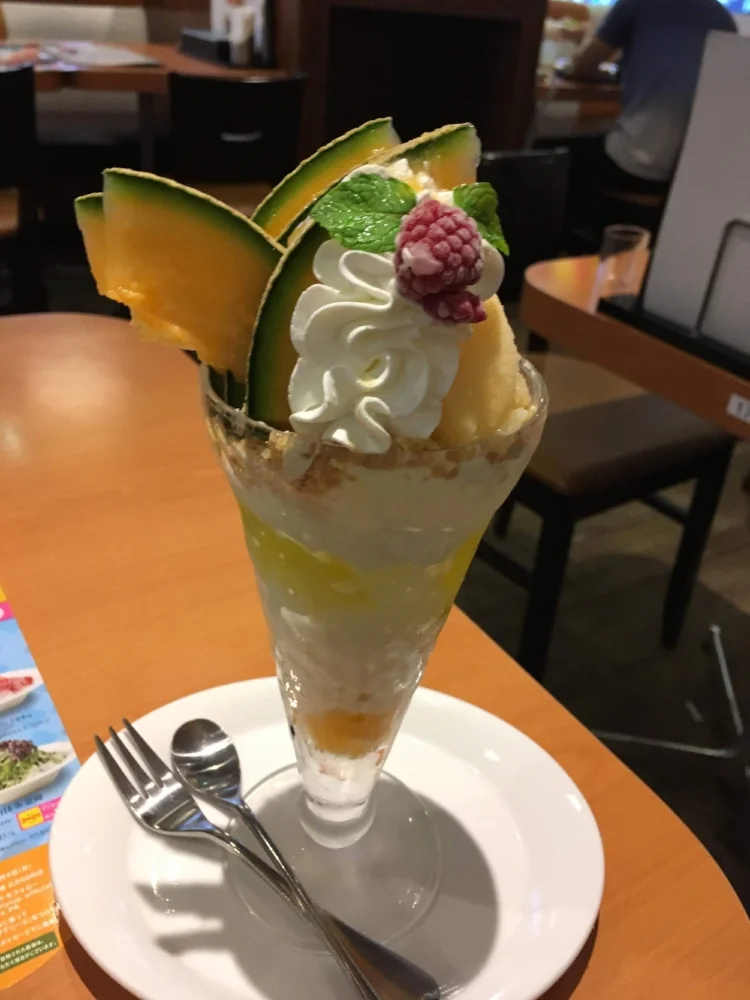
Inspired by the French parfait, Japanese pafe are tall glass desserts layered with ice cream, fruit, jelly, cornflakes, and cream. They appear everywhere from department store cafés to neighbourhood kissaten (coffee shops), and each place puts its own spin on the format. Think of them as the Japanese sundae — but more elegant and distinctly seasonal.
Senbikiya Melon Pafe
Senbikiya is one of Japan's most prestigious fruit purveyors, and their melon pafe is legendary. Japan takes its melons extremely seriously — certain varieties are grown in precisely controlled conditions and can fetch extraordinary prices as gifts. The pafe features thick slices of perfectly ripe melon alongside melon sorbet and melon cream. If you love fruit, this is worth every yen.
This one surprised us. Lipton — the global tea brand — actually invented "Royal Milk Tea" in Japan: a preparation where tea is brewed directly in hot milk and cream rather than water, then sweetened. The Lipton Tea Room in Kyoto serves it as a parfait, layering milk tea jelly, vanilla ice cream, and whipped cream in a tall glass. It's distinctly Japanese in its restraint and elegance.
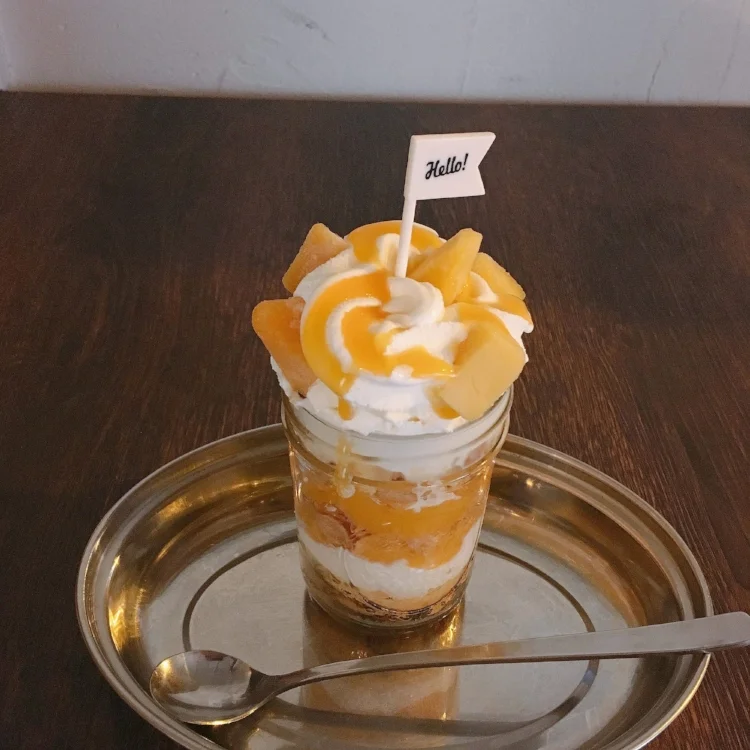
Near Kawaguchi Station in Saitama City, Café Enzo serves a frozen yogurt and mango cake presented in a mason jar. It's a more modest dessert than the others — unpretentious and refreshing — perfect for a warm afternoon. The jar format means you can take it away and eat it at your own pace. A lovely find on an ordinary side street.
Japan's dessert culture is vast and endlessly creative. These three are just a starting point!